The Team
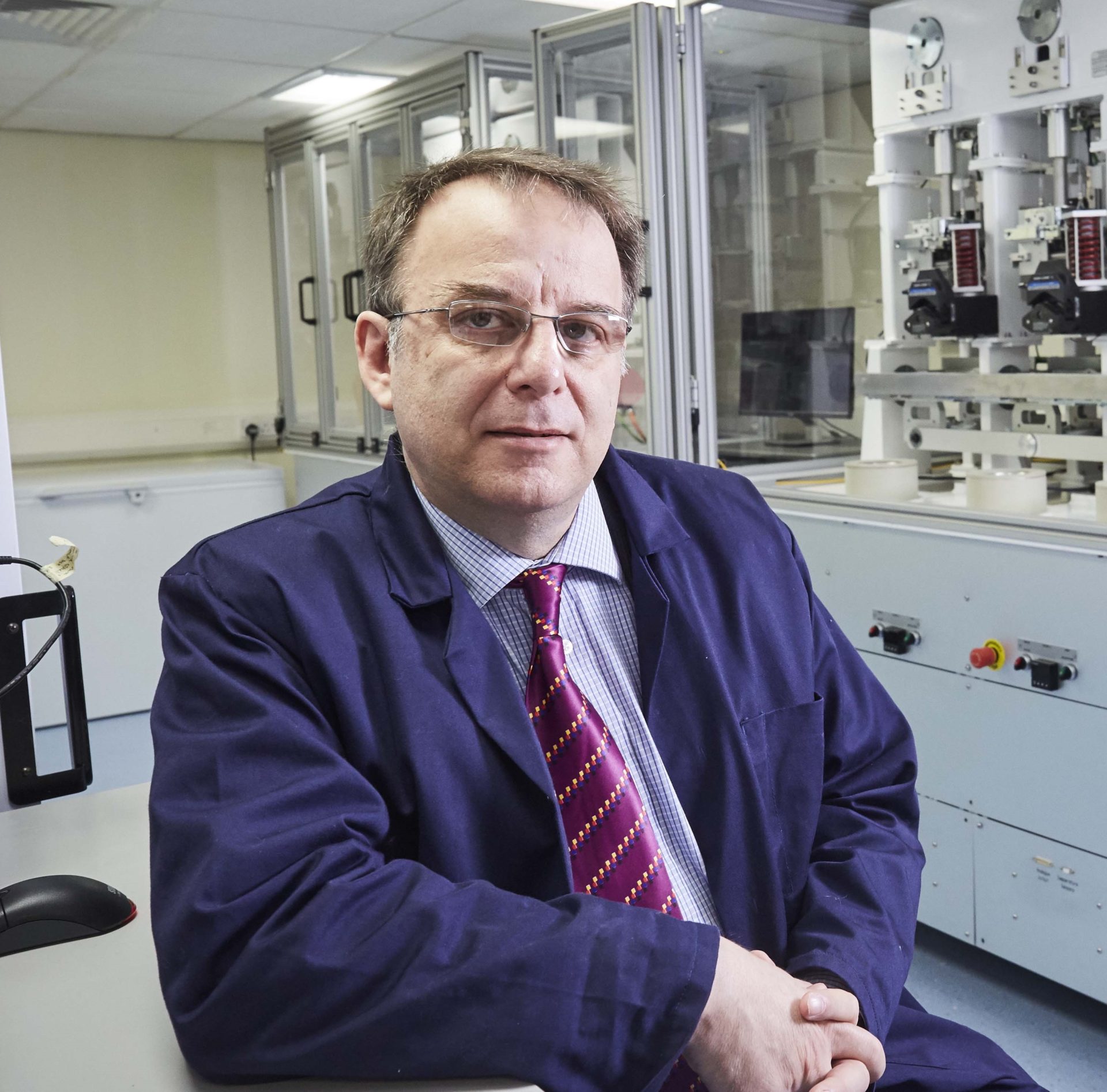
Professor Hall has an undergraduate degree in Physics from the University of Leeds and was awarded a PhD from the University of Lancaster. He rejoined the University of Leeds as a jointly appointed Lecturer in the Schools of Mechanical Engineering and Medicine. His appointment is now solely within the School of Mechanical Engineering. The appointment to Professor was made in 2006. Richard is a member of the Institute of Physics and a Chartered Physicist.

Dr Michael Bryant CEng FHEA is an Associate Professor in Tribology and Corrosion Engineering in the Institute of Functional Surfaces (iFS), School of Mechanical Engineering. His research focuses on tribological and surface interactions of materials used in biomedical applications with a strong publication record within the area of tribology and surface analyses. He has strong ties with industry, academic and regulatory (MHRA expert for tribology and corrosion) groups. Research is currently funded as PI and Co-I through the EPSRC, Wellcome Trust, Royal Society, EU H2020 and Industry (> £5.5m). He was awarded the IMechE Duncan Downson Prize and Sir Thomas Hawksley gold medal in 2018.
Dr de Boer has active research in biotribology investigating the next generation of joint replacement technology for which he co-supervises 3 ESR’s as part of the MSCA European Training Network ‘BioTrib’. He is also contributing to the co-supervision of a research assistant funded by an EPSRC Impact Acceleration Award and DePuy Syntheses on the measurement of joint replacement modular tapers. As part of the EPSRC Centre for Doctoral Training in Fluid Dynamics and Doctoral Training Partnerships, Dr de Boer is the lead supervisor for PhD projects investigating the poroelasticity of cartilage and the role of hydration mechanisms in maintaining continuous low-friction operation of articulating joints. In total he has 15 PhD students as lead and co-supervisor and several industrial collaborations for taught student research projects. His research team has access to state-of-the-art High Performance Computing facilities through the University of Leeds funded ARC-4 computer cluster. Additionally, his researchers have access to and expertise in several licenced and open-source software packages for the computational analysis of solids, fluids, and to conduct design optimisation.
Dr Andrew Robert Beadling is an Assistant Professor in Biomedical Engineering within the School of Mechanical Engineering. His PhD focused on the tribocorrosion of metal surfaces at the bearing interface of total hip replacements and developed new techniques to quantify corrosive degradation from the articulating surface during experimental hip simulation.
Rob’s research concerns tribology, the preclinical assessment of medical devices, joint replacement simulation, and in situ assessment of material degradation. Joint simulation testing standards often follow simplified conditions and rely on ex situ analysis, providing limited actionable data on real-world performance. Rob is working towards improving the efficacy and safety of medical devices through patient-centred representative testing, in situ biomaterial assessment, and linking lab studies to patient outcomes; generating the tools and capability to respond to emerging challenges in healthcare and accelerating innovation and translation to clinic.
International Partners
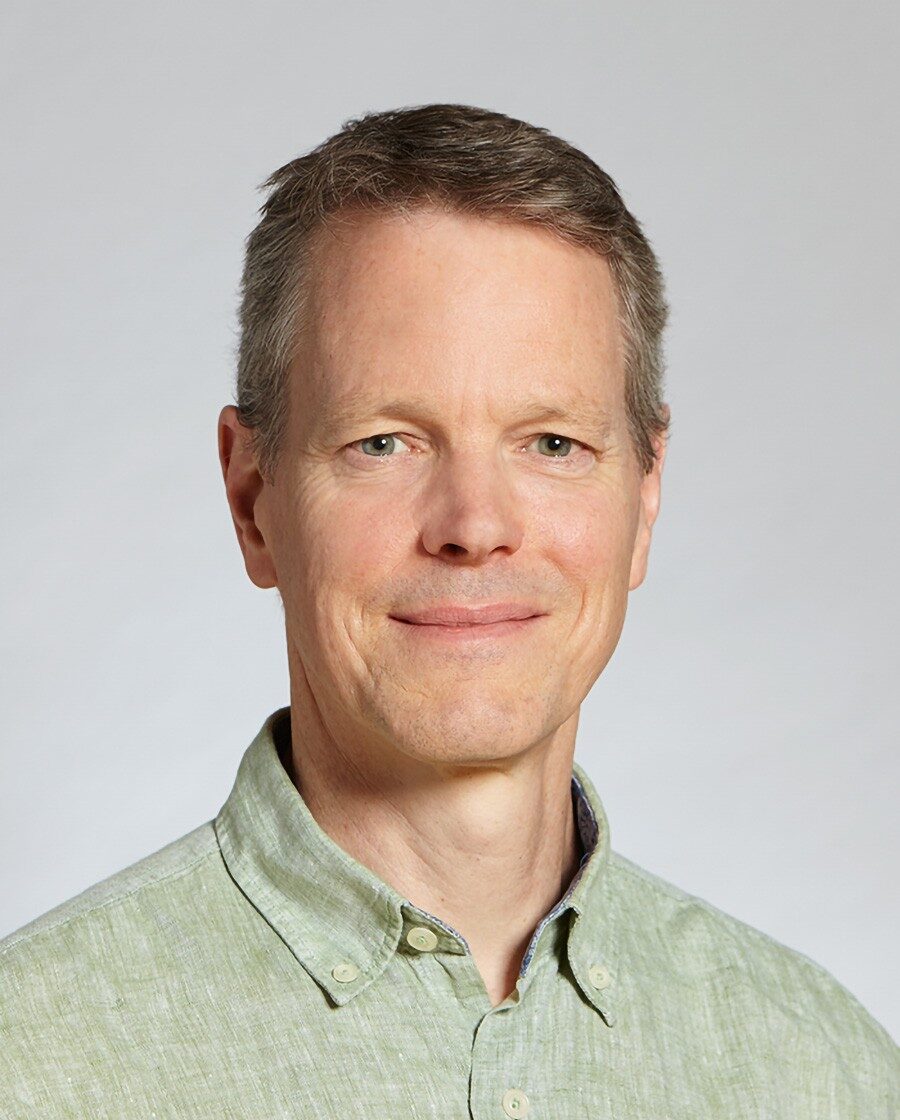
Stephen Ferguson has been Professor of Biomechanics at the Institute for Biomechanics, ETH Zurich since 2011. The focus of Professor Ferguson’s research is the study of the mechanical and biological mechanisms of musculoskeletal disorders and injuries and the use of innovative technologies for their treatment. The challenge presented by an ageing population is of primary importance. He and his group study new biomaterials and implant concepts and develop the technical means for their application in the clinic.
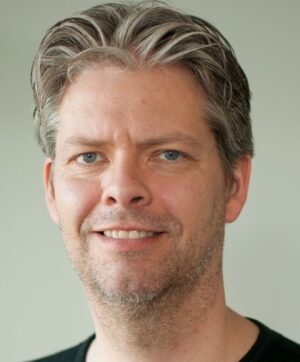
Dr Benedikt Helgason is a senior scientist and a leader of the Bone Pathologies and Treatment group at the Laboratory for Orthopaedic Technology at the Institute for Biomechanics, ETH. He is the principal investigator on several projects that aim to improve screening and preventive treatments for individuals at elevated hip fracture risk.
Dr Helgason is a civil engineer by training with a 5-year background in consulting industry within the field of load bearing structures. He defended his PhD thesis in bone biomechanics at the University of Iceland in 2008 and subsequently joined the research group of Stephen J. Ferguson at the University of Bern in 2009. PD, Dr Helgason joined the Institute for Biomechanics at the ETH-Zurich in 2011. He is a recognised expert in the field to image-based modelling in bone biomechanics.
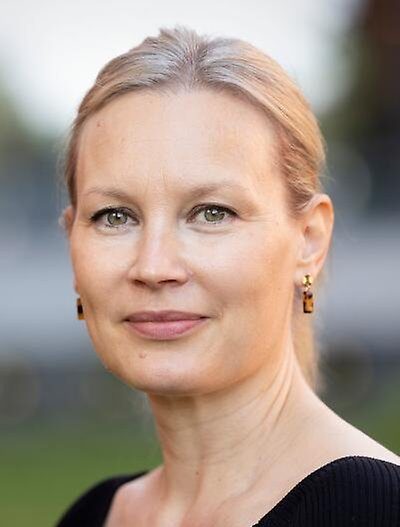
Cecilia Persson is the lead for the BioMaterial Systems (BMS) research group within the Division of Biomedical Engineering at Uppsala University. Her research focusses on the development of new biomaterials for and through additive manufacturing. She is also the director of a Competence Centre in Additive Manufacturing for the Life Sciences, and the national Research Technology Platform WISE Additive.